May 18, 2026
Tree pruning is an essential practice for maintaining the health and aesthetics of your trees. Before making an investment in this process, it's crucial to understand various factors that can influence its success and impact. This article will delve into 6 key considerations you should evaluate when planning to prune your trees. These aspects not only enhance the longevity of your trees but also optimize their contribution to the environment. Whether you're a homeowner or a landscaper, understanding these factors will allow you to make informed decisions about your tree care practices.
Understanding the Purpose of Tree Pruning
1.1 Promote Growth
Pruning primarily serves to promote healthy tree growth by removing dead or crowded branches. By focusing energy on the remaining branches, trees can grow more vigorously and maintain their health over time. It also helps to prevent the development of weak or crossing branches that can impede growth. According to Bob Vila, an online home improvement resource, heavy tree pruning shouldn't occur until at least two years into its life, as young trees need time to establish themselves. Strategic pruning can ensure that your trees develop a strong and resilient structure.
1.2 Improve Tree Structure
Improving tree structure through pruning helps increase safety and stability. Properly-structured trees are less likely to break under stress from wind or heavy precipitation. Selecting which branches to remove can guide the tree into a shape that best fits its surroundings. This process can prevent future problems like property damage or injury caused by falling limbs. Ensuring a solid structure from a young age can lead to a long, healthy life for your trees.
1.3 Enhance Aesthetics
Pruning is also a key component in enhancing the visual appeal of your landscape. Carefully sculpting your trees can complement other elements in your outdoor space, creating a harmonious appearance. Removing unsightly branches or deadwood can make your trees visually appealing and encourage a sense of pride in your property. Artistic pruning can accentuate the natural beauty of your tree species, highlighting their unique characteristics. A well-maintained landscape attracts both people and wildlife, increasing enjoyment for all who visit.
1.4 Remove Dead or Diseased Branches
Removing dead or diseased branches is critical for preserving the overall health of a tree. They can act as a breeding ground for pests and diseases that can spread to healthy parts of the tree, therefore, prompt removal is essential. Pruning in this way ensures that resources such as water and nutrients are directed only toward healthy branches. Regular examinations of your trees can help you identify issues early before they escalate. Timely removal of affected areas can prevent the need for more drastic measures later, potentially saving the tree from complete removal.
1.5 Increase Sunlight and Air Circulation
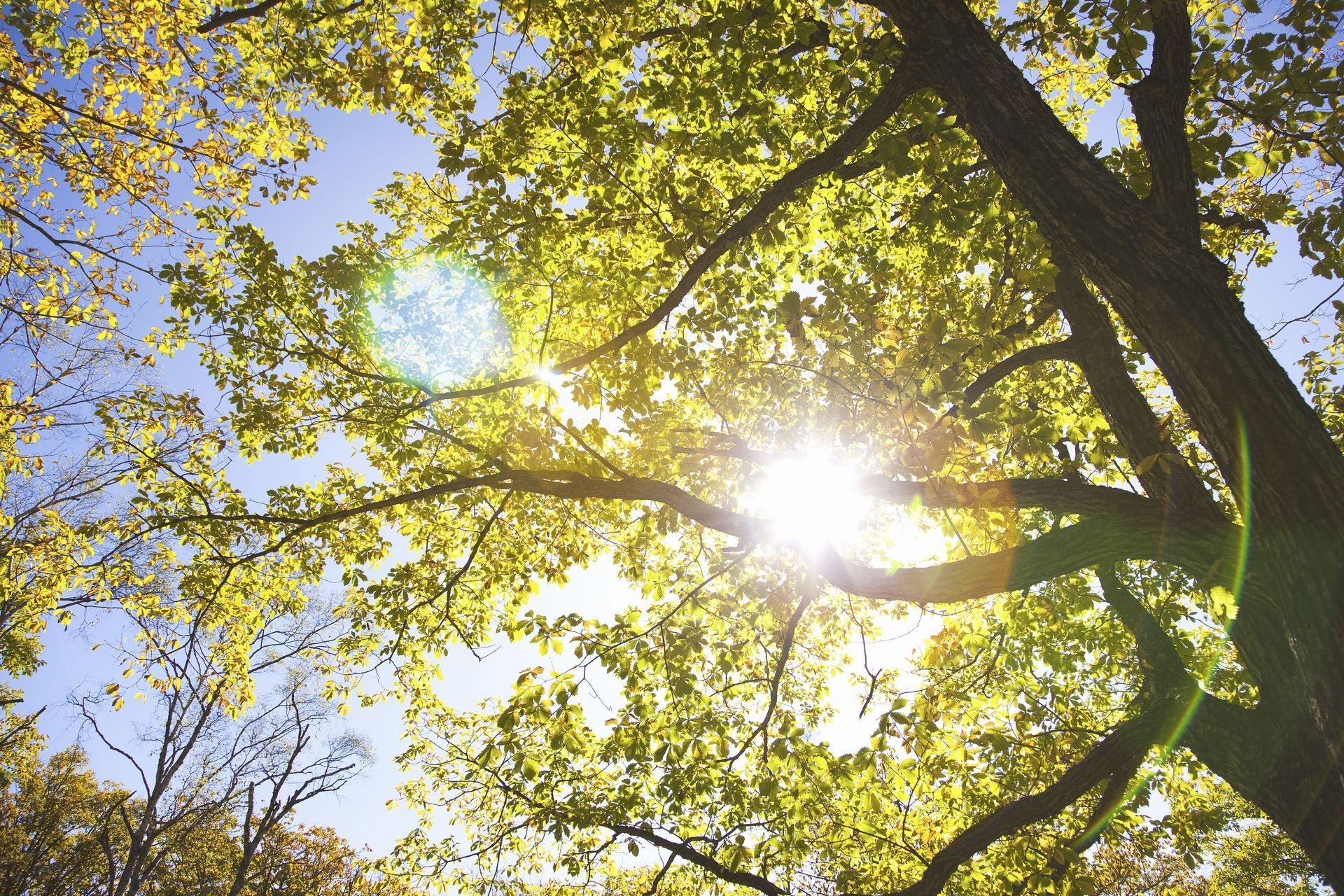
Pruning increases the exposure to sunlight and promotes better air circulation through the canopy. Enhanced sunlight helps with photosynthesis, vital for a tree's growth and energy creation. Better air circulation reduces the chances of fungal infections, as moisture is less likely to be trapped within dense foliage. This consideration is particularly important for trees located in humid environments where air movement is restricted. Proper pruning techniques can thus contribute to a healthier ecosystem around the tree, benefiting both the tree and surrounding plant life.
Identifying the Right Times for Pruning
2.1 Seasonal Considerations
Timing is crucial when it comes to tree pruning, with seasonal considerations playing a vital role. Most trees benefit from pruning in late winter while they are dormant and the growth process has slowed. This timing allows you to prune before the spring growth flush, resulting in a burst of fresh growth. However, some species may have specific requirements, so it's worth researching the best pruning times for your particular trees. By timing your pruning sessions wisely, you can ensure that your trees enter the growing season in top condition.
2.2 Signs of Necessary Pruning
Beyond the calendar, various signs indicate that a tree requires pruning. Common symptoms include broken branches, branches that rub against each other, and obvious diseases or infestations. Trees that are leaning or have an uneven growth pattern may also benefit from corrective pruning. Observing these signs closely can alert you to the needs of your trees before potential problems worsen. Regular inspections are a proactive approach to maintaining tree health and should be part of your routine landscaping practice.
2.3 Pruning Based on Tree Species
Each tree species has its own specific pruning needs and understanding this can greatly affect the outcome of your efforts. For instance, flowering trees should generally be pruned after blooming to avoid cutting off next season's buds. Evergreens have different requirements, as they grow continuously and do not go into dormancy. Knowing these specifics allows you to tailor your pruning approach to the unique nature of each tree type. With the right information, you can maximize both the health and beauty of your diverse flora.
2.4 Weather Conditions
Another consideration when planning to prune is the current and anticipated weather conditions. Pruning during dry weather reduces the likelihood of fungal diseases that thrive in damp conditions. Avoid pruning before heavy rains or during wet periods when disease spores are more active. Monitoring local climate trends and forecasts can guide you in selecting the optimal time for your pruning projects. Trees, much like humans, respond better to interventions when conditions are favorable and stress-free.
2.5 Avoiding Tree Flowering and Fruiting Periods
Pruning during a tree’s flowering or fruiting period can adversely affect its productivity and appearance. It can lead to fewer flowers and decreased fruit yield, impacting not only the tree’s ornamental appeal but also its functionality. By avoiding pruning at these critical times, you allow the tree to allocate its resources fully to reproduction and growth. Understanding the life cycle of your specific trees will help coordinate your activities around these important periods. Adjusting your timing accordingly helps ensure the tree continues to thrive.
Recognizing the Types of Pruning
3.1 Thinning
Thinning is a pruning technique that involves selectively removing branches to improve light penetration and air movement through the tree's canopy. This method can significantly enhance the tree's vitality by ensuring that all parts receive enough sunlight. Thinning primarily targets small branches and allows for better distribution of nutrients and energy throughout the tree. It is an ideal approach for trees that have become too dense, posing risks and reducing overall tree health. By properly executing thinning, you effectively support your tree to manage its biological functions more efficiently.
3.2 Raising
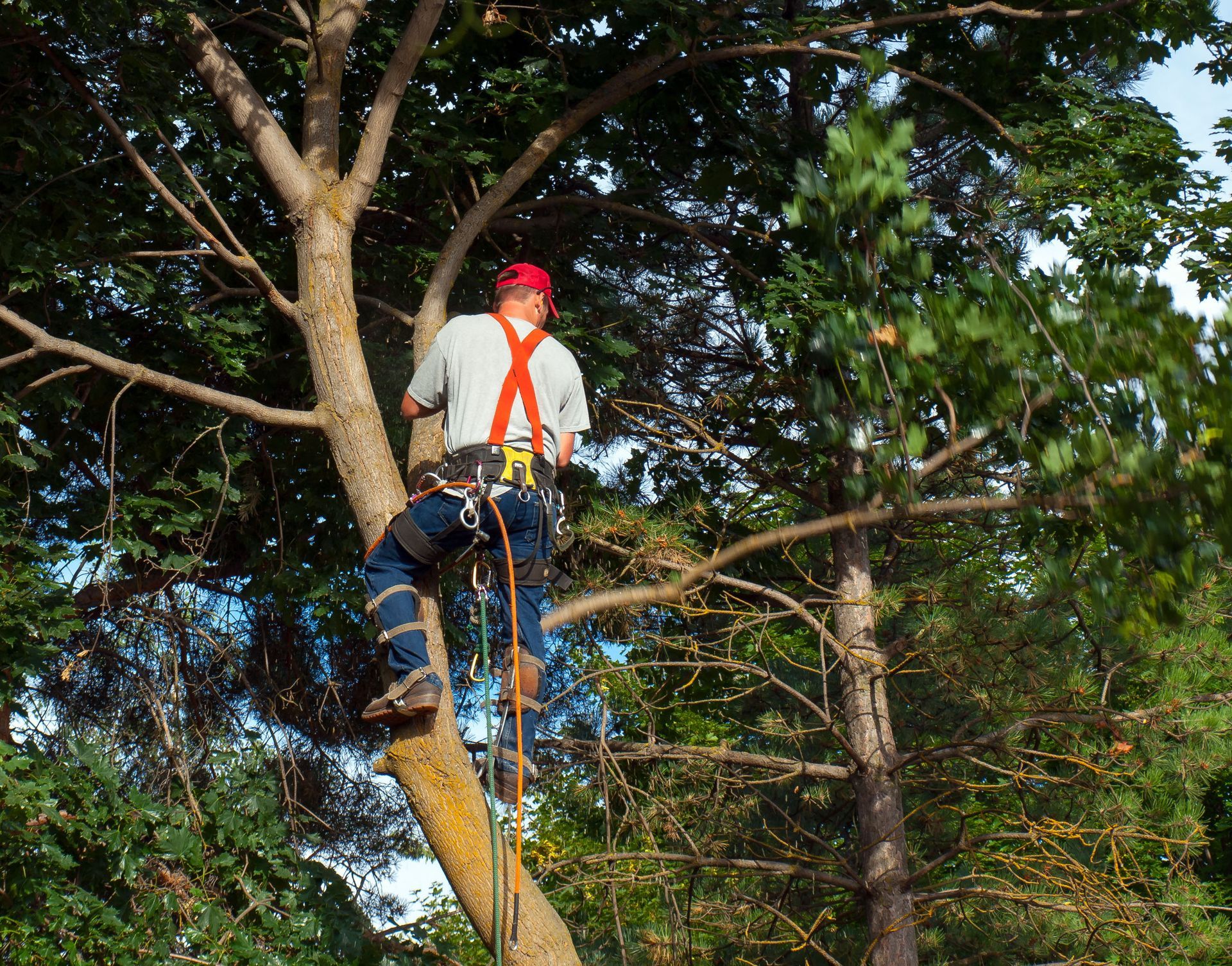
Raising refers to the selective removal of lower branches to elevate the tree's canopy. This helps create clearance for vehicles, pedestrians, and visibility in various settings. Raising can be particularly essential for urban trees in parks or along streets where low-lying branches may pose hazards. This type of pruning must be done carefully to maintain the tree's structural integrity and avoid excessive stress. Through balanced implementation, raising can foster aesthetic appeal while maintaining public safety.
Investing in tree pruning requires a thoughtful approach to ensure it benefits both your property and the broader environment. By considering these 6 crucial factors, you can make informed decisions that promote tree health, safety, and sustainability. Whether you choose to engage expert services or undertake the task yourself, understanding these facets will empower you to achieve the best results for your trees. Remember to align your practices with the ecological, safety, and practical needs of each situation. Be sure to reach out to Drury Tree Service today for more information on our professional tree trimming!