June 26, 2026
Trees are an integral component of any landscape, offering not only aesthetic beauty but also environmental benefits such as improved air quality and habitat for wildlife. Maintaining the health of your trees requires year-round attention to various aspects of their care, including watering, pruning, soil management, and pest control. A proactive approach to tree care not only enhances the visual appeal of your property but also ensures the longevity and vitality of these valuable natural assets.
Committing to a detailed plan for tree care is vital for preventing common issues such as disease, overgrowth, and nutrient deficiencies. By being attentive to the specific needs of your trees across different seasons, you can create a balanced and flourishing landscape. The following comprehensive tips and techniques offer guidance on how to effectively manage your trees, promoting robust growth and sustainable health year-round.
Understanding the different factors affecting tree health empowers you to address potential problems before they escalate. From proper watering techniques to seasonal maintenance, there are numerous strategies to consider. This article will delve into each aspect of tree care, providing detailed insights to help you nurture a thriving landscape that stands the test of time.
Proper Watering Techniques
Understanding Tree Water Needs
Water is a critical component of tree health as it facilitates nutrient transportation and photosynthesis. Different trees have varying water requirements based on age, species, and environmental conditions. Young trees, being in the initial stages of establishment, require more frequent watering compared to mature trees. Recognizing these requirements enables you to tailor your watering schedule to each tree's specific needs, fostering optimal growth conditions. Assessing your trees' water needs can prevent stress induced by drought or excess moisture, which can otherwise compromise their health.
Best Time to Water
The timing of watering plays a crucial role in maintaining healthy trees. Early morning is generally the best time to water, as this allows water to soak into the soil before the day's heat causes evaporation. Watering too late in the evening can leave foliage damp overnight, promoting fungal growth and disease. Consistent watering routines help establish strong root systems, particularly in young trees, which face a critical period of establishment. Understanding the timing and adjusting according to seasonal variations ensures your trees receive the right hydration, contributing to their overall vigor.
Tools for Efficient Watering
Choosing the right tools can significantly enhance the efficiency of your watering efforts. Drip irrigation systems are highly recommended as they deliver water directly to the root zone, minimizing waste and ensuring thorough hydration. Soaker hoses are also effective for slow, deep watering, particularly in larger landscapes with extensive tree coverage. For smaller areas, a watering can or garden hose with a spray attachment can offer controlled water application. Selecting tools that align with your landscape's needs facilitates proper watering and helps in conserving this vital resource.
Watering Young Trees vs. Mature Trees
Young trees have quite different water needs compared to their mature counterparts. During the first few years, these trees require more frequent watering to establish a strong root system, yet overwatering can still pose dangers, leading to root rot and other issues. Maintaining a balanced irrigation schedule that fits the specific requirements of the tree type and climate can help in avoiding such problems. As trees mature, their water demands decrease, often requiring less frequent but deeper watering. This adaptation acknowledges that mature trees have an expansive root system capable of sourcing water from deeper soil levels.
Signs of Overwatering or Underwatering
Monitoring your trees for signs of over or under watering is crucial for maintaining their health. Wilting leaves that are not associated with heat stress may indicate insufficient watering, while yellowing leaves that drop off prematurely can signify overwatering. Additional signs include changes in soil texture or fungus growth, both of which can suggest water imbalance. Recognizing these signs early can prevent long-term damage, allowing for timely corrective action. Regular observation and adjusting your watering practices based on these indicators can help maintain healthy tree growth.
Pruning for Tree Health and Aesthetics
Reasons to Prune Trees
Pruning is an essential practice for both the health and appearance of your trees. It helps remove dead or diseased branches, which can prevent the spread of harmful pathogens. Regular pruning also improves air circulation within the canopy, reducing the risk of fungal diseases. According to The Spruce, young trees under five years old should be pruned every one to two years, while mature trees typically only need trimming every three to five years. Aesthetic reasons for pruning include maintaining a desired shape and enhancing the tree's natural beauty in your landscape.
Best Times of Year for Pruning
The timing of pruning can greatly influence a tree's health and regrowth. Generally, late winter or early spring, before new growth begins, is an ideal time for most pruning activities. This period ensures wounds heal quickly with the onset of new growth, minimizing stress on the tree. For some flowering trees, however, post-bloom pruning is recommended to not interfere with bud formation. Understanding the growth cycles of different tree species in your landscape can help optimize the benefits of your pruning efforts.
Tools and Techniques for Effective Pruning
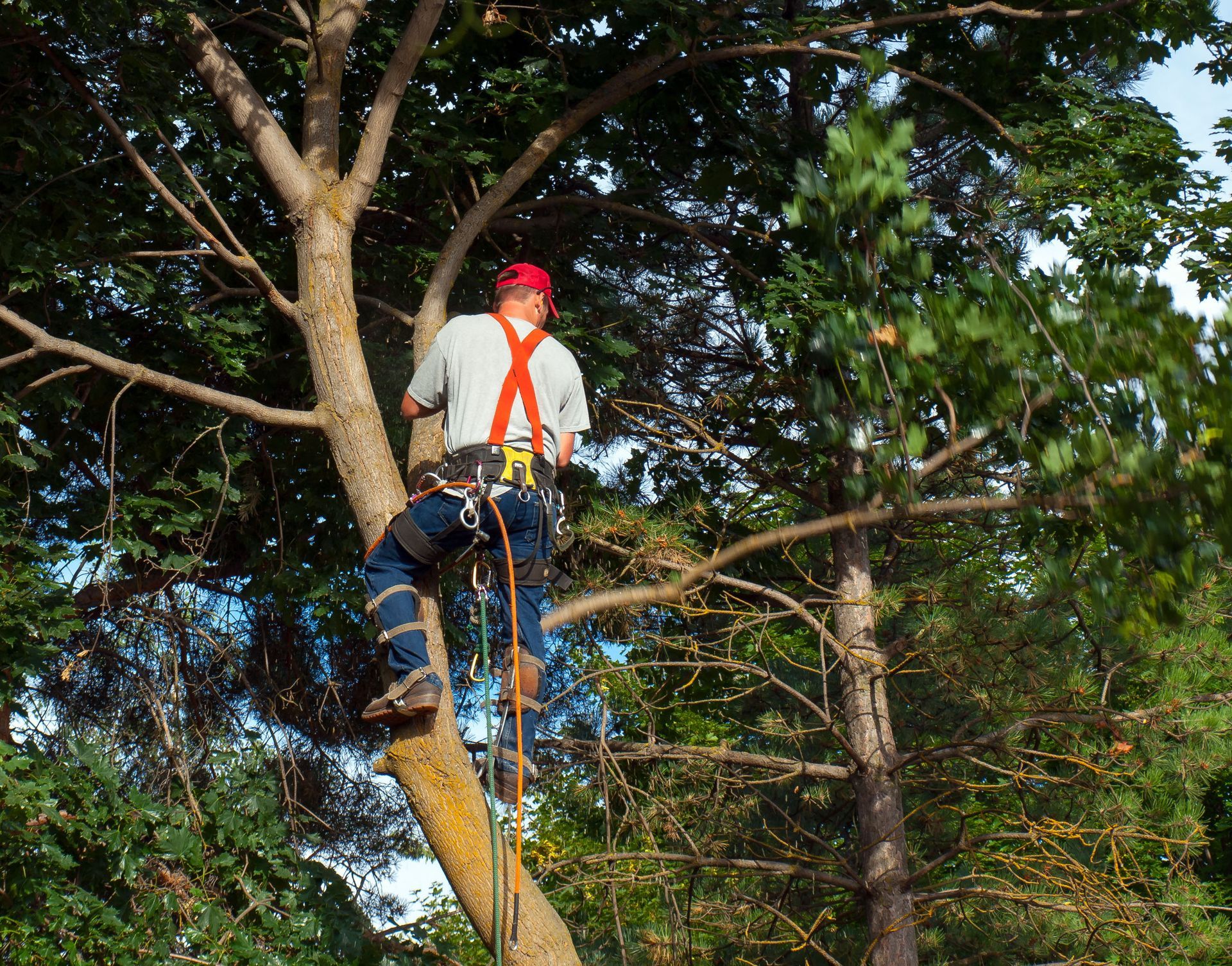
Using the right tools and techniques can greatly impact the effectiveness and safety of your pruning. Hand pruners and loppers are suitable for smaller branches, while pruning saws are more appropriate for larger limbs. It's important to make clean cuts at a slight angle to enable smooth healing and prevent water accumulation. Techniques such as the three-cut method can prevent tearing of the bark, especially in heavier limbs. Ensuring tools are sharp and disinfected reduces the risk of injury to both the tree and yourself.
Pruning Young vs. Mature Trees
Approaching the pruning of young and mature trees requires different strategies. Young trees benefit from formative pruning, which helps establish a strong framework that supports future growth. Regular monitoring and strategic cuts can promote healthy, well-spaced branches, contributing to a balanced structural form. Mature trees, on the other hand, require less frequent pruning, usually focused on removing deadwood and managing risk through the elimination of potentially hazardous limbs. Understanding these distinctions allows for tailored tree care that supports the enduring health and stability of your landscape.
Common Pruning Mistakes to Avoid
Avoiding common pruning mistakes is critical to the health and appearance of your trees. Over-pruning can lead to stress and reduce the tree's ability to produce food through photosynthesis. Cutting branches too close or too far from the trunk can create wounds that harbor insects and disease. It's also crucial to avoid topping, which removes a significant part of the tree's canopy and can lead to structural weakness and decay. Educating yourself on proper techniques will prevent these issues, allowing your trees to thrive and contribute to a beautiful and healthy landscape.
Soil Health and Fertilization
Assessing Soil Quality
Understanding the quality of the soil that your trees grow in is fundamental for ensuring their health. Conducting a soil test can provide insights into pH levels, nutrient content, and organic matter, which are crucial for informed decisions about fertilization. Good soil structure promotes healthy root development and nutrient uptake. Furthermore, observing soil texture and drainage can help identify potential issues, such as compaction or poor water retention, that may impact tree health. Regular assessment and improvement of soil quality form the backbone of a successful tree care regimen.
Fertilizers play a vital role in providing essential nutrients that trees may not receive naturally from the soil. Selecting the appropriate fertilizer depends on understanding the specific needs of your trees and the existing soil conditions. Balanced fertilizers containing nitrogen, phosphorus, and potassium are commonly used to support tree growth and vigor. In some cases, specialized fertilizers that address particular deficiencies identified through soil testing may be necessary. Making informed choices about fertilization supports robust tree health and development across various stages of growth. Be sure to reach out to Drury Tree Service today to learn more about our professional
tree trimming service!